
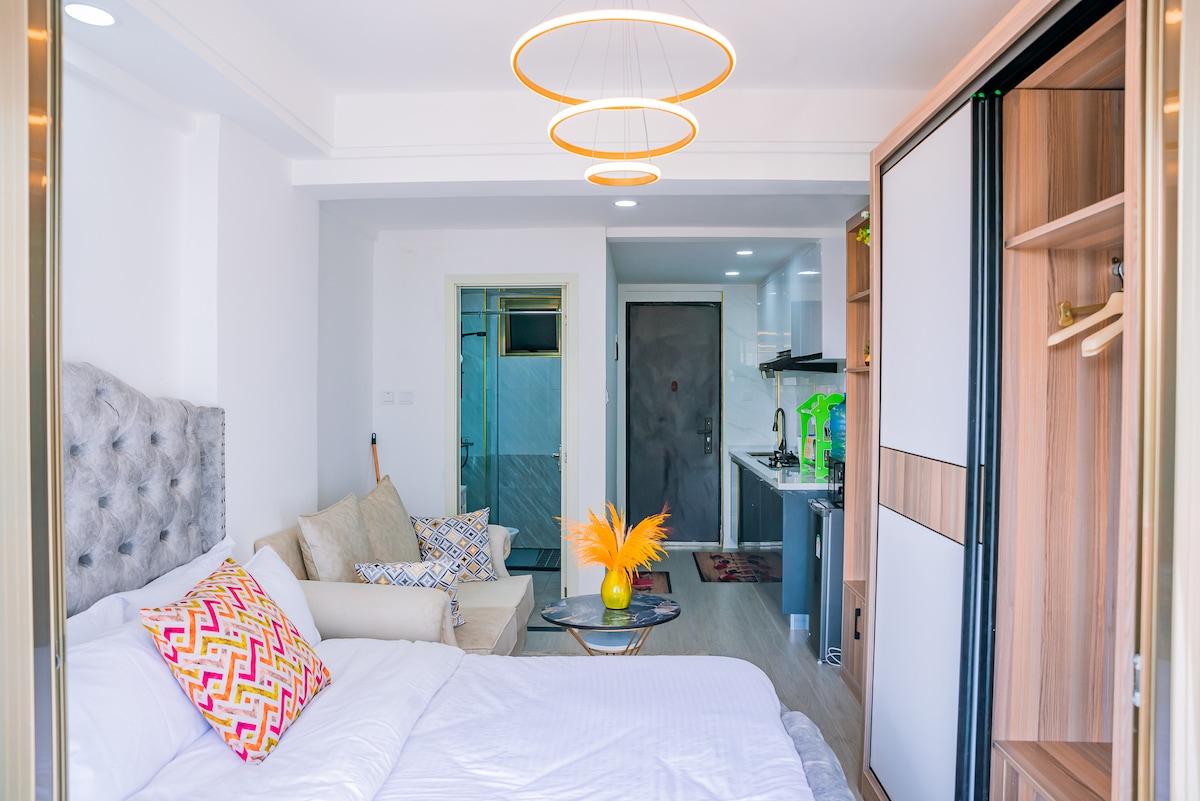
How to List a Studio Apartment for Short Stays in Kenya
How to List a Studio Apartment for Short Stays in Kenya — a practical Kenyan host guide covering property details, guest enquiries and listing options on PataStay Kenya.
Direct answer: To studio apartment listing in Kenya, start by preparing sleeping arrangements, bathroom, kitchenette and actual floor layout, then choose a suitable listing channel and publish a studio accommodation advert. PataStay Kenya offers a free host listing option, subject to its current plan terms; use the host registration page to submit accurate accommodation details. This is a way to become discoverable and receive potential guest enquiries, not a guarantee of bookings. Start listing on PataStay Kenya.
This practical guide is written for a studio-apartment host. It focuses on compact space, bed layout and guest expectations and selling convenience without exaggerating size. Instead of assuming every Kenyan accommodation business works the same way, it separates what the platform actually provides from the work the owner must do: prepare a safe stay, communicate clearly, maintain the calendar and confirm payments directly with guests.
Detailed listing quality checklist for studio apartment listing
Use this table as a working audit, not simply a feature list. Every row explains what to publish, why it matters to guests and what to verify before your advert goes live.
| Listing element | What to include | Why it matters | Host quality check |
|---|---|---|---|
| Property identity | Explain the exact property type and studio apartment listing. | Guests can distinguish a studio, one-bedroom, serviced unit or guest house. | Confirm category, capacity and room configuration before publishing. |
| Location and access | Give county, town, neighbourhood and practical access information without exposing private entry codes. | Travellers can judge proximity and transport convenience. | Check map placement and describe access honestly. |
| Photos and layout | Show real sleeping space, bathroom, kitchen, living area and entrance where relevant. | Visitors can verify the layout instead of relying on broad claims. | Replace blurry, misleading or outdated images. |
| Nightly and total cost | Explain nightly rates, cleaning charges, deposits and longer-stay terms. | Reduces surprise charges and abandoned enquiries. | Recheck weekend and holiday prices. |
| Amenities and limitations | Confirm sleeping arrangements, bathroom, kitchenette and actual floor layout; disclose missing or shared facilities. | Helps guests filter based on practical needs. | Test Wi-Fi, water, parking and other stated features. |
| Availability and response | Keep dates current and define a reliable response method. | Prevents wasted enquiries and double-booking risk. | Update after each confirmed stay. |
| Safety and policies | State guest limits, house rules, check-in arrangements and payment verification steps. | Sets expectations and supports safer transactions. | Never publish private security credentials. |
Step-by-step action plan and verification points
This practical workflow separates preparation, publishing and maintenance. Follow the checks in order so that a guest sees accurate information rather than a listing that only looks complete.
| Stage | Action | Expected outcome | How to verify |
|---|---|---|---|
| Before publishing | Prepare sleeping arrangements, bathroom, kitchenette and actual floor layout. | Property information ready | Check facts against the actual unit; remove generic claims. |
| At registration | Use the PataStay host registration page and complete required verification. | Account ready for listing | Follow current on-screen requirements and plan limits. |
| While creating the listing | Add truthful photos, location, capacity, amenities, rates and rules. | Useful property profile | Read the advert as a guest unfamiliar with the area. |
| After submission | Review the listing and make corrections if required. | Accurate public information | Check mobile readability and image loading. |
| When an enquiry arrives | Confirm dates, total cost, rules and who is authorised to host. | Clear guest conversation | Use a secure agreed payment process directly with the host. |
| Every week | Review enquiries, rates, photos and availability. | Maintained listing | Track what guests ask and improve unclear sections. |
| As the portfolio grows | Reassess studio expectations and current package capacity. | Suitable plan and workflow | Avoid paying for features you do not need. |
What this means for a Kenyan property owner
A property advertised online is not automatically booked. The listing is an invitation for a potential guest to evaluate a specific stay. Travellers may compare neighbourhoods, transport, bedrooms, photographs, prices, check-in arrangements and whether the host responds. In Kitengela, a traveller attending a meeting may prioritise reliable access and Wi-Fi; in Nakuru, another guest may care more about family space or the length of the visit. Your listing must help both understand what is genuinely available.
The useful question is not simply ‘Where can I post my accommodation?’ It is ‘Can a stranger decide whether this exact property fits their dates and budget without chasing me for basic information?’ That question shapes the advice throughout this article. For the wider host journey, read how PataStay works and what PataStay Kenya does.
Think about three separate jobs: attracting attention, qualifying interest and confirming a stay. A good photo can attract attention. A precise description and price can qualify interest. A prompt conversation and an up-to-date calendar can help you confirm arrangements. No listing website can replace the last two jobs.
Before you begin — a practical readiness test
Imagine a potential guest contacts you this evening asking whether compact space, bed layout and guest expectations is available for three nights. Can you answer confidently within a few minutes? If not, prepare the information before advertising. The preparation is not complicated, but inconsistency creates avoidable complaints.
- Write down the exact type of unit, sleeping capacity and bathroom arrangement.
- Confirm the general area, access route, parking and any building entry restrictions.
- Photograph the real unit in daylight, including the bathroom and cooking area where applicable.
- Decide what the quoted rate includes and which charges, deposits or conditions are additional.
- Confirm who answers guest calls and WhatsApp messages and who handles check-in.
- Mark already occupied dates, maintenance days and dates when the property is not offered.
- Check relevant building rules, permission to host and applicable local licensing requirements.
These details matter even if the listing costs nothing. A host who can explain their offering clearly is easier for a guest to assess. If the property is still being furnished, describe only what will be available when guests arrive, and do not reuse photographs from another unit as if they show yours.
Explain what a studio includes
Why this matters. Explain what a studio includes is a practical part of selling convenience without exaggerating size. For a studio-apartment host, the biggest advantage comes from reducing uncertainty before a guest makes contact. Suppose a guest asks for five nights but your unit is available for only three. A truthful answer preserves trust. Suggest an alternative date only when you can confirm it, and never mark an unavailable unit as open merely to attract a call.
How to approach it. For a property description, distinguish between what is inside the unit and what is nearby. ‘Private kitchen’ is not the same as access to a shared kitchenette; ‘parking available’ is not the same as guaranteed reserved parking. Take a few minutes to write down the facts you can verify today, and separate those from improvements you plan to make later. This keeps the listing accurate even when the property or market changes.
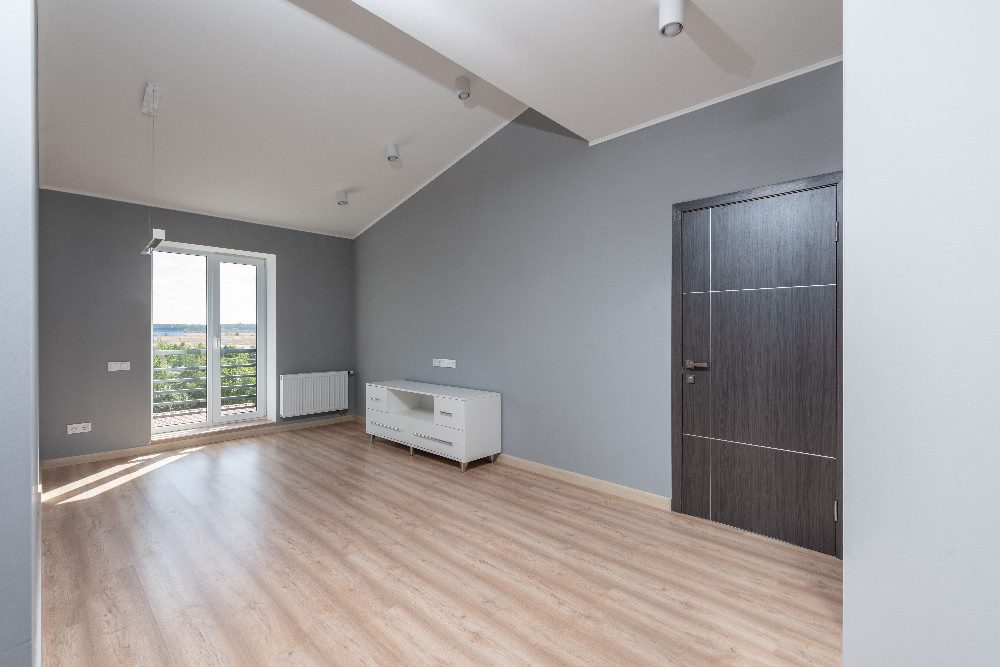
Describe the sleeping arrangement
Why this matters. Describe the sleeping arrangement is a practical part of selling convenience without exaggerating size. For a studio-apartment host, the biggest advantage comes from reducing uncertainty before a guest makes contact. Consider a guest comparing two properties in Kitengela. One has an attractive headline but little explanation. The other states the room layout, transport context, check-in expectations and what the rate covers. The second gives the traveller more information to make a decision, even if the first has more dramatic photographs.
How to approach it. When discussing money, distinguish the nightly accommodation rate from cleaning fees, refundable deposits, extra-guest charges and any separately payable access or connection fee. A guest should know which party receives each payment. Take a few minutes to write down the facts you can verify today, and separate those from improvements you plan to make later. This keeps the listing accurate even when the property or market changes.
Make the small space feel understandable
Why this matters. Make the small space feel understandable is a practical part of selling convenience without exaggerating size. For a studio-apartment host, the biggest advantage comes from reducing uncertainty before a guest makes contact. A small operator in Nakuru may manage enquiries personally, while a manager with several units needs a shared calendar and a clear handover process. The same principle applies to both: do not advertise a promise that your daily operations cannot reliably deliver.
How to approach it. For photographs, use a logical sequence: living or sleeping space first, then the bathroom, kitchen, entrance and useful amenities. Avoid filters that change room size or colour, and do not publish another person’s identifiable details. Take a few minutes to write down the facts you can verify today, and separate those from improvements you plan to make later. This keeps the listing accurate even when the property or market changes.
Prioritise lighting and cleanliness
Why this matters. Prioritise lighting and cleanliness is a practical part of selling convenience without exaggerating size. For a studio-apartment host, the biggest advantage comes from reducing uncertainty before a guest makes contact. For example, a visitor arriving late may ask about access after normal check-in hours. If that is possible, explain the conditions; if it is not, state the cutoff. Clear boundaries prevent a promising enquiry from turning into a dispute.
How to approach it. For availability, review the calendar after every confirmed arrangement, cancellation or maintenance block. An outdated date creates unnecessary enquiries and may damage confidence in the listing. Take a few minutes to write down the facts you can verify today, and separate those from improvements you plan to make later. This keeps the listing accurate even when the property or market changes.
Highlight transport and nearby facilities
Why this matters. Highlight transport and nearby facilities is a practical part of selling convenience without exaggerating size. For a studio-apartment host, the biggest advantage comes from reducing uncertainty before a guest makes contact. Suppose a guest asks for five nights but your unit is available for only three. A truthful answer preserves trust. Suggest an alternative date only when you can confirm it, and never mark an unavailable unit as open merely to attract a call.
How to approach it. For enquiries, reply with the unit name, dates, number of guests, total price and what the guest needs to confirm next. Keep the tone welcoming, but do not promise a reservation before checking. Take a few minutes to write down the facts you can verify today, and separate those from improvements you plan to make later. This keeps the listing accurate even when the property or market changes.
Price according to real value
Why this matters. Price according to real value is a practical part of selling convenience without exaggerating size. For a studio-apartment host, the biggest advantage comes from reducing uncertainty before a guest makes contact. Consider a guest comparing two properties in Kitengela. One has an attractive headline but little explanation. The other states the room layout, transport context, check-in expectations and what the rate covers. The second gives the traveller more information to make a decision, even if the first has more dramatic photographs.
How to approach it. For local relevance, give the actual neighbourhood and realistic travel context. Avoid invented drive times, unverified ‘walking distance’ claims or calling a property ‘near the airport’ when the route is inconvenient. Take a few minutes to write down the facts you can verify today, and separate those from improvements you plan to make later. This keeps the listing accurate even when the property or market changes.
Answer common studio questions
Why this matters. Answer common studio questions is a practical part of selling convenience without exaggerating size. For a studio-apartment host, the biggest advantage comes from reducing uncertainty before a guest makes contact. A small operator in Nakuru may manage enquiries personally, while a manager with several units needs a shared calendar and a clear handover process. The same principle applies to both: do not advertise a promise that your daily operations cannot reliably deliver.
How to approach it. For trust, show consistency between your listing, the photographs, the message you send and the unit a guest visits. If a feature is temporarily unavailable, update the listing rather than hoping it will go unnoticed. Take a few minutes to write down the facts you can verify today, and separate those from improvements you plan to make later. This keeps the listing accurate even when the property or market changes.
How PataStay fits into the process
PataStay is an accommodation discovery and host-connection platform. Hosts create accounts, submit property details and keep information current. Guests can browse a listing and, where applicable, use an access-fee unlock to reveal protected host details. The host and guest then communicate directly to confirm availability, dates, accommodation charges and payment arrangements. An unlock is not an automatic reservation.
The PataStay host registration page currently offers a free starting option for one property, subject to the platform’s rules and review. Hosts with more properties can compare allowances on the official host pricing page. Because packages and promotional offers can change, rely on the live page rather than an old screenshot or an article published months earlier.
The accommodation charge goes directly to the host under the arrangements agreed with the guest. This is different from any PataStay connection fee. Explain that distinction when a guest asks about payment, and never represent a paid contact unlock as proof that a room is reserved.
A realistic example from the Kenyan market
Consider a hypothetical owner with compact space, bed layout and guest expectations in Kitengela. The owner prepares eight genuine photographs, a precise neighbourhood description, a rate with clearly stated inclusions and a calendar reflecting occupied weekends. The first enquiry asks about two nights, a late arrival and parking. Because those details were prepared, the owner can answer without guessing.
Now imagine the same owner promoting a second unit in Nakuru. The second unit should have its own photographs, amenities, rate and calendar; copying the first listing would mislead guests. This is why managing several properties requires a repeatable process, not just more advertising. These are illustrative examples, not reported PataStay booking results or market averages.
The lesson is to measure useful conversations rather than counting every page view as success. Track how many people ask about valid dates, how many receive accurate answers, and how many arrangements are confirmed. Record reasons for missed opportunities, such as a price mismatch, unavailable dates or missing amenities.
A simple seven-day action plan
- Day 1: Check your permission to host, property readiness and local compliance requirements.
- Day 2: Write a property fact sheet covering location, beds, amenities, access and house rules.
- Day 3: Take genuine photographs and choose a useful image order.
- Day 4: Set clear rates, deposit rules, payment instructions and a working availability calendar.
- Day 5: Create or update your PataStay host account and prepare the property submission.
- Day 6: Review the listing for accuracy on a mobile phone and correct anything unclear.
- Day 7: Set up a response routine and record the first genuine enquiries for later review.
If you cannot complete a step, do not rush past it to make the listing appear finished. A short delay to correct a misleading photograph, price or address is usually better than a preventable disagreement with a guest.
Mistakes that cost hosts trust
- Publishing photographs of a different apartment or a room no longer available.
- Claiming a price without explaining taxes, cleaning charges or deposits where applicable.
- Leaving dates open after accepting another guest’s arrangement.
- Using an exaggerated location description that makes travel planning difficult.
- Failing to answer a genuine enquiry or giving conflicting information across channels.
- Assuming that a platform enquiry is a guaranteed booking or that visibility guarantees income.
- Overlooking building rules, safety checks and applicable tourism or county requirements.
For licensing questions, consult the current guidance of Kenya’s Tourism Regulatory Authority and the relevant county authorities. The applicable rules depend on the business and property; a PataStay listing does not itself grant a tourism licence. A helpful starting point is the official Tourism Regulatory Authority website.
Frequently asked questions
Does unlocking a host's details reserve the stay?
No. The guest must still contact the host and confirm dates, price, property details and payment arrangements.
Can I advertise outside Nairobi?
PataStay positions itself for Kenyan accommodation discovery, while location availability may vary as areas and properties are enabled. Check the live platform for current coverage.
What if I manage several properties?
Compare the current host packages and their property limits. Keep each unit’s information and calendar separate, even if one person manages them all.
Should I upload photographs before the unit is ready?
Use current, genuine photographs of the actual unit. Do not present a sample or another apartment as the accommodation being offered.
How do I get help with a listing?
Use PataStay support for account, submission or listing questions.
Can I start listing one property for free?
PataStay’s published Free Listing plan allows an eligible host to submit one property at no monthly package cost. Review the live plan terms and approval requirements before registering.
Related PataStay resources
Continue with these resources when the next question is about a different part of hosting:
- List your property on PataStay
- Compare free and paid host packages
- Understand how guest discovery and host contact work
- See how travellers browse available stays
- How to Promote a Guest House Online in Kenya
- Why Kenyan Property Owners Should Consider Local Accommodation Listing Platforms
- Where to List Your Short-Stay Property in Kenya Without Monthly Fees
Your next step
Start with the property you can describe most accurately. Prepare the facts, check the calendar, and use the PataStay host registration and listing page to begin. If you already manage several units, review the current host packages before deciding which plan fits. A useful listing does not need inflated promises; it needs clear information that helps the right guest make contact.

Frequently asked questions about studio apartment listing
1. What is the quickest way to start studio apartment listing in Kenya?
Begin with a studio accommodation advert. Prepare sleeping arrangements, bathroom, kitchenette and actual floor layout. Check the current PataStay host registration page before submitting. A complete listing is more useful than a rushed advert because guests need enough detail to compare properties without repeated questions.
2. Can I begin without paying a monthly subscription?
PataStay offers a free host listing option, subject to its current plan limits and conditions. Review the pricing page before registering; paid visibility or additional property capacity may be optional rather than necessary for a first listing. Do not confuse free advertising with guaranteed enquiries.
3. What property details should I provide first?
Start with the property type, neighbourhood, number of guests, beds, bathrooms, nightly price, any extra charges and real photographs. Then explain check-in, parking, Wi-Fi and any restrictions that could change a guest’s decision. For studio apartment listing, prioritise sleeping arrangements, bathroom, kitchenette and actual floor layout.
4. How many photographs should a property listing contain?
Use enough recent, genuine photographs to show the sleeping area, bathroom, kitchen or kitchenette, main living space, entrance and notable amenities. Quality and coverage matter more than a fixed number. Do not upload another host’s photographs or conceal important limitations.
5. Can guests contact me directly through PataStay?
PataStay is designed around accommodation discovery and access to host contact details. A guest can discover a stay, follow the platform’s host-detail unlock process, contact the host and agree on booking and payment arrangements directly with that host. Check the current site instructions for any guest unlock requirements.
6. Does a listing guarantee bookings or a top Google ranking?
No. A listing makes your accommodation available for discovery, but enquiries depend on demand, competition, accuracy, pricing, availability and response times. Search visibility is influenced by many factors outside the host’s or platform’s control. Avoid anyone promising automatic rankings or a fixed number of bookings.
7. How should I display prices and extra charges?
Show the normal nightly price and disclose cleaning fees, refundable deposits, extra-guest charges and any weekly or monthly terms before confirmation. State whether rates vary during weekends or holidays. A clear total reduces misunderstandings and helps guests decide whether the property fits their budget.
8. What if I manage more than one accommodation unit?
Give each distinct unit its own truthful description, photographs, price and availability. Check your current host package for the number of properties allowed; do not assume the free plan covers an unlimited portfolio. Keep calendars aligned if you also advertise on other channels.
9. How can I make my listing more useful for AI search and Google?
Write a clear first sentence naming the property type and exact general location, followed by capacity, rates, amenities and practical conditions. Use descriptive headings and original photographs. Consistent facts and useful answers improve readability for humans and search systems, but do not guarantee citations, recommendations or rankings.
10. What should I do after my property goes live?
Check how the listing looks on mobile, correct outdated information, refresh the availability calendar and reply promptly to genuine enquiries. Keep records of guest agreements and confirm payments securely with the guest. Revisit studio expectations as your business grows, and review platform rules before making major changes.
Ready to start? Create your PataStay host listing and review current package options if you manage several properties.