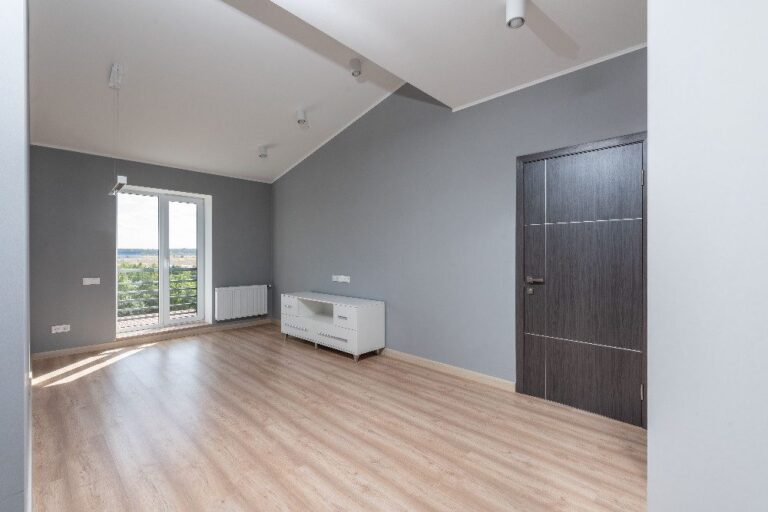

How to Build a Recognisable Brand for Your Short-Stay Properties
How to Build a Recognisable Brand for Your Short-Stay Properties. A detailed Kenyan host guide with operational examples, decision tables, a 30-day plan and ten practical questions.
At a glance
How to Build a Recognisable Brand for Your Short-Stay Properties is a practical guide for Kenyan hosts dealing with creating a consistent identity across several different units. The most useful starting point is to compare the actual property facts, the cost of each decision and the experience of the guest. A good plan must work for the specific units being advertised, not simply sound impressive in a package description.
Whether your accommodation is in Thika and Ruiru or another Kenyan county, the details that make a decision worthwhile can change with the building, season, local rules and guest expectations. This article concentrates on brand short stay properties, with specific checks you can carry out before spending money or publishing a claim.
Hosts can begin by reviewing how to list a property on PataStay Kenya. The platform helps owners present accommodation to people looking for stays; it does not itself make every enquiry a confirmed booking. Keep the advertised property information accurate and verify payments directly with the receiving provider.
The decision framework for this particular host challenge
| Focus area | Evidence to gather | Decision to make | Mistake to avoid |
|---|---|---|---|
| Brand promise | property naming convention | Choose a workable process for brand promise based on the actual property and available staff. | Assuming property naming convention is the same for every apartment. |
| Naming system | accurate photos | Choose a workable process for naming system based on the actual property and available staff. | Assuming accurate photos is the same for every apartment. |
| Visual identity | consistent contact channel | Choose a workable process for visual identity based on the actual property and available staff. | Assuming consistent contact channel is the same for every apartment. |
| Guest experience | arrival instructions | Choose a workable process for guest experience based on the actual property and available staff. | Assuming arrival instructions is the same for every apartment. |
| Reputation | complaint resolution | Choose a workable process for reputation based on the actual property and available staff. | Assuming complaint resolution is the same for every apartment. |
| Brand governance | brand style guide | Choose a workable process for brand governance based on the actual property and available staff. | Assuming brand style guide is the same for every apartment. |
1. Brand promise — what to check before taking action
The operational question. For creating a consistent identity across several different units, brand promise should be assessed against property naming convention. Begin with a factual record: identify the unit or units affected, who can approve changes, what a prospective guest currently sees, and what you can verify today. In Thika and Ruiru, two similarly priced apartments may attract completely different enquiries because their access, sleeping arrangements and surrounding facilities differ. That is why a copied description or an untested assumption is a poor substitute for the unit’s real details.
How to make the decision. Write a short before-and-after comparison for property naming convention. If you are changing a package, confirm the current published allowances and billing terms first. If you are improving discoverability, make the page more informative rather than promising a particular ranking. If you are reorganising operations, test the procedure with one property before rolling it out to the full portfolio. Assign an owner to the task and record the date of the change so that later results can be interpreted fairly.
A realistic Kenyan example. Imagine a host managing a furnished unit in Thika. A guest asks for dates, parking and a reliable workspace, but the listing mentions only a “beautiful apartment”. The next step is not necessarily buying advertising. The host first checks the facts, updates the unit-specific information, and ensures the enquiry can reach the person who knows the calendar. Where brand promise is relevant, the host also checks consistent contact channel before deciding whether extra spending or staffing would help.
What to document. Keep a concise record containing the property identifier, the current property naming convention, the change approved, the person responsible, and a review date. A simple dated spreadsheet is often enough for a small operator. For a larger portfolio, keep one record per unit rather than combining several properties into a single average that hides the problem. When guests receive a quotation, the price, dates, occupancy and any conditions should agree with the public listing.
Field test for this step
Check property naming convention against one real property record. Ask a colleague to find the information without extra explanation. If they cannot, revise the listing or internal process before expanding the change to other units.
How this connects to the next stage. Once brand promise is reliable, review naming system. This sequence reduces the chance of improving the visible listing while leaving a broken operational handover behind. For hosts evaluating accommodation options, browse BnBs and short stays in Kenya provides a useful way to think about the questions a guest may ask while comparing different stays.
2. Naming system — what to check before taking action
The operational question. For creating a consistent identity across several different units, naming system should be assessed against accurate photos. Begin with a factual record: identify the unit or units affected, who can approve changes, what a prospective guest currently sees, and what you can verify today. In Nairobi and Kiambu, two similarly priced apartments may attract completely different enquiries because their access, sleeping arrangements and surrounding facilities differ. That is why a copied description or an untested assumption is a poor substitute for the unit’s real details.
How to make the decision. Write a short before-and-after comparison for accurate photos. If you are changing a package, confirm the current published allowances and billing terms first. If you are improving discoverability, make the page more informative rather than promising a particular ranking. If you are reorganising operations, test the procedure with one property before rolling it out to the full portfolio. Assign an owner to the task and record the date of the change so that later results can be interpreted fairly.
A realistic Kenyan example. Imagine a host managing a furnished unit in Nairobi. A guest asks for dates, parking and a reliable workspace, but the listing mentions only a “beautiful apartment”. The next step is not necessarily buying advertising. The host first checks the facts, updates the unit-specific information, and ensures the enquiry can reach the person who knows the calendar. Where naming system is relevant, the host also checks arrival instructions before deciding whether extra spending or staffing would help.
What to document. Keep a concise record containing the property identifier, the current accurate photos, the change approved, the person responsible, and a review date. A simple dated spreadsheet is often enough for a small operator. For a larger portfolio, keep one record per unit rather than combining several properties into a single average that hides the problem. When guests receive a quotation, the price, dates, occupancy and any conditions should agree with the public listing.
Field test for this step
Check accurate photos against one real property record. Ask a colleague to find the information without extra explanation. If they cannot, revise the listing or internal process before expanding the change to other units.
How this connects to the next stage. Once naming system is reliable, review visual identity. This sequence reduces the chance of improving the visible listing while leaving a broken operational handover behind. For hosts evaluating accommodation options, browse BnBs and short stays in Kenya provides a useful way to think about the questions a guest may ask while comparing different stays.
3. Visual identity — what to check before taking action
The operational question. For creating a consistent identity across several different units, visual identity should be assessed against consistent contact channel. Begin with a factual record: identify the unit or units affected, who can approve changes, what a prospective guest currently sees, and what you can verify today. In Mombasa and Kilifi, two similarly priced apartments may attract completely different enquiries because their access, sleeping arrangements and surrounding facilities differ. That is why a copied description or an untested assumption is a poor substitute for the unit’s real details.
How to make the decision. Write a short before-and-after comparison for consistent contact channel. If you are changing a package, confirm the current published allowances and billing terms first. If you are improving discoverability, make the page more informative rather than promising a particular ranking. If you are reorganising operations, test the procedure with one property before rolling it out to the full portfolio. Assign an owner to the task and record the date of the change so that later results can be interpreted fairly.
A realistic Kenyan example. Imagine a host managing a furnished unit in Mombasa. A guest asks for dates, parking and a reliable workspace, but the listing mentions only a “beautiful apartment”. The next step is not necessarily buying advertising. The host first checks the facts, updates the unit-specific information, and ensures the enquiry can reach the person who knows the calendar. Where visual identity is relevant, the host also checks complaint resolution before deciding whether extra spending or staffing would help.
What to document. Keep a concise record containing the property identifier, the current consistent contact channel, the change approved, the person responsible, and a review date. A simple dated spreadsheet is often enough for a small operator. For a larger portfolio, keep one record per unit rather than combining several properties into a single average that hides the problem. When guests receive a quotation, the price, dates, occupancy and any conditions should agree with the public listing.
Field test for this step
Check consistent contact channel against one real property record. Ask a colleague to find the information without extra explanation. If they cannot, revise the listing or internal process before expanding the change to other units.
How this connects to the next stage. Once visual identity is reliable, review guest experience. This sequence reduces the chance of improving the visible listing while leaving a broken operational handover behind. For hosts evaluating accommodation options, browse BnBs and short stays in Kenya provides a useful way to think about the questions a guest may ask while comparing different stays.
4. Guest experience — what to check before taking action
The operational question. For creating a consistent identity across several different units, guest experience should be assessed against arrival instructions. Begin with a factual record: identify the unit or units affected, who can approve changes, what a prospective guest currently sees, and what you can verify today. In Kisumu and Siaya, two similarly priced apartments may attract completely different enquiries because their access, sleeping arrangements and surrounding facilities differ. That is why a copied description or an untested assumption is a poor substitute for the unit’s real details.
How to make the decision. Write a short before-and-after comparison for arrival instructions. If you are changing a package, confirm the current published allowances and billing terms first. If you are improving discoverability, make the page more informative rather than promising a particular ranking. If you are reorganising operations, test the procedure with one property before rolling it out to the full portfolio. Assign an owner to the task and record the date of the change so that later results can be interpreted fairly.
A realistic Kenyan example. Imagine a host managing a furnished unit in Kisumu. A guest asks for dates, parking and a reliable workspace, but the listing mentions only a “beautiful apartment”. The next step is not necessarily buying advertising. The host first checks the facts, updates the unit-specific information, and ensures the enquiry can reach the person who knows the calendar. Where guest experience is relevant, the host also checks brand style guide before deciding whether extra spending or staffing would help.
What to document. Keep a concise record containing the property identifier, the current arrival instructions, the change approved, the person responsible, and a review date. A simple dated spreadsheet is often enough for a small operator. For a larger portfolio, keep one record per unit rather than combining several properties into a single average that hides the problem. When guests receive a quotation, the price, dates, occupancy and any conditions should agree with the public listing.
Field test for this step
Check arrival instructions against one real property record. Ask a colleague to find the information without extra explanation. If they cannot, revise the listing or internal process before expanding the change to other units.
How this connects to the next stage. Once guest experience is reliable, review reputation. This sequence reduces the chance of improving the visible listing while leaving a broken operational handover behind. For hosts evaluating accommodation options, browse BnBs and short stays in Kenya provides a useful way to think about the questions a guest may ask while comparing different stays.
5. Reputation — what to check before taking action
The operational question. For creating a consistent identity across several different units, reputation should be assessed against complaint resolution. Begin with a factual record: identify the unit or units affected, who can approve changes, what a prospective guest currently sees, and what you can verify today. In Nakuru and Naivasha, two similarly priced apartments may attract completely different enquiries because their access, sleeping arrangements and surrounding facilities differ. That is why a copied description or an untested assumption is a poor substitute for the unit’s real details.
How to make the decision. Write a short before-and-after comparison for complaint resolution. If you are changing a package, confirm the current published allowances and billing terms first. If you are improving discoverability, make the page more informative rather than promising a particular ranking. If you are reorganising operations, test the procedure with one property before rolling it out to the full portfolio. Assign an owner to the task and record the date of the change so that later results can be interpreted fairly.
A realistic Kenyan example. Imagine a host managing a furnished unit in Nakuru. A guest asks for dates, parking and a reliable workspace, but the listing mentions only a “beautiful apartment”. The next step is not necessarily buying advertising. The host first checks the facts, updates the unit-specific information, and ensures the enquiry can reach the person who knows the calendar. Where reputation is relevant, the host also checks property naming convention before deciding whether extra spending or staffing would help.
What to document. Keep a concise record containing the property identifier, the current complaint resolution, the change approved, the person responsible, and a review date. A simple dated spreadsheet is often enough for a small operator. For a larger portfolio, keep one record per unit rather than combining several properties into a single average that hides the problem. When guests receive a quotation, the price, dates, occupancy and any conditions should agree with the public listing.
Field test for this step
Check complaint resolution against one real property record. Ask a colleague to find the information without extra explanation. If they cannot, revise the listing or internal process before expanding the change to other units.
How this connects to the next stage. Once reputation is reliable, review brand governance. This sequence reduces the chance of improving the visible listing while leaving a broken operational handover behind. For hosts evaluating accommodation options, browse BnBs and short stays in Kenya provides a useful way to think about the questions a guest may ask while comparing different stays.
6. Brand governance — what to check before taking action
The operational question. For creating a consistent identity across several different units, brand governance should be assessed against brand style guide. Begin with a factual record: identify the unit or units affected, who can approve changes, what a prospective guest currently sees, and what you can verify today. In Eldoret and Uasin Gishu, two similarly priced apartments may attract completely different enquiries because their access, sleeping arrangements and surrounding facilities differ. That is why a copied description or an untested assumption is a poor substitute for the unit’s real details.
How to make the decision. Write a short before-and-after comparison for brand style guide. If you are changing a package, confirm the current published allowances and billing terms first. If you are improving discoverability, make the page more informative rather than promising a particular ranking. If you are reorganising operations, test the procedure with one property before rolling it out to the full portfolio. Assign an owner to the task and record the date of the change so that later results can be interpreted fairly.
A realistic Kenyan example. Imagine a host managing a furnished unit in Eldoret. A guest asks for dates, parking and a reliable workspace, but the listing mentions only a “beautiful apartment”. The next step is not necessarily buying advertising. The host first checks the facts, updates the unit-specific information, and ensures the enquiry can reach the person who knows the calendar. Where brand governance is relevant, the host also checks accurate photos before deciding whether extra spending or staffing would help.
What to document. Keep a concise record containing the property identifier, the current brand style guide, the change approved, the person responsible, and a review date. A simple dated spreadsheet is often enough for a small operator. For a larger portfolio, keep one record per unit rather than combining several properties into a single average that hides the problem. When guests receive a quotation, the price, dates, occupancy and any conditions should agree with the public listing.
Field test for this step
Check brand style guide against one real property record. Ask a colleague to find the information without extra explanation. If they cannot, revise the listing or internal process before expanding the change to other units.
How this connects to the next stage. Once brand governance is reliable, review brand promise. This sequence reduces the chance of improving the visible listing while leaving a broken operational handover behind. For hosts evaluating accommodation options, browse BnBs and short stays in Kenya provides a useful way to think about the questions a guest may ask while comparing different stays.
Two working examples with different outcomes
Example A — a small operator. A host with one or two apartments in Thika and Ruiru has limited time and a modest promotion budget. The priority is to establish reliable property naming convention and accurate photos before adding complexity. If a guest enquiry cannot be matched to a current calendar, more visibility may only increase the number of frustrating conversations. The host should first fix that gap, then review whether additional marketing brings qualified requests.
Example B — an expanding portfolio. A manager with properties in Mombasa and Kilifi may face a different constraint. Here, arrival instructions and complaint resolution need repeatable procedures and clearly named staff. A central account can simplify oversight, but each property still needs its own accurate location, photographs, capacity and availability. A successful process is one that continues working when the manager is travelling or a caretaker is unavailable.
| Situation | Practical first move | What success looks like | When to reconsider |
|---|---|---|---|
| One property, limited budget | Validate property naming convention and fix obvious information gaps | Fewer avoidable guest questions and a reliable enquiry handover | After several real enquiries |
| Growing portfolio | Document consistent contact channel for each unit | Unit-specific records stay accurate when staff change | At each new property launch |
| Considering paid promotion | Compare plan cost with complaint resolution | A measured improvement that justifies the expense | At the end of the chosen test period |
| Operating across counties | Assign local responsibility for brand style guide | Issues can be resolved without guessing who is in charge | After the next operational review |
A practical 30-day implementation plan
Days 1–7 — audit the baseline
Check property naming convention and accurate photos for every affected unit. Record inaccurate or missing information. Photograph or verify the real property before editing any public claim.
For this stage, write down a named owner, a deadline, the evidence required and a simple pass-or-fail rule. A check that cannot be repeated next month is unlikely to support long-term management. Keep guest information private and avoid publishing access codes, personal identification details or payment screenshots in public listings.
Days 8–14 — repair the biggest gap
Choose the issue with the clearest guest impact. Improve visual identity and make sure the person responsible can maintain the change.
For this stage, write down a named owner, a deadline, the evidence required and a simple pass-or-fail rule. A check that cannot be repeated next month is unlikely to support long-term management. Keep guest information private and avoid publishing access codes, personal identification details or payment screenshots in public listings.
Days 15–21 — run a controlled test
Test guest experience on a manageable subset of properties. Track guest questions, response handling and any extra costs rather than assuming activity equals success.
For this stage, write down a named owner, a deadline, the evidence required and a simple pass-or-fail rule. A check that cannot be repeated next month is unlikely to support long-term management. Keep guest information private and avoid publishing access codes, personal identification details or payment screenshots in public listings.
Days 22–30 — decide what to keep
Review complaint resolution and brand style guide. Retain useful changes, correct weak ones and only then consider expanding the budget or portfolio.
For this stage, write down a named owner, a deadline, the evidence required and a simple pass-or-fail rule. A check that cannot be repeated next month is unlikely to support long-term management. Keep guest information private and avoid publishing access codes, personal identification details or payment screenshots in public listings.
Costs, visibility and claims worth checking
One common error in brand short stay properties is treating a marketing feature as a guaranteed business outcome. Featured placement, package upgrades, clearer descriptions and improved indexing can each change how a property is presented or discovered, but none can guarantee a booking, a Google position or an AI citation. The right comparison is between the measurable cost and the useful result for the actual host.
Before paying for a plan or advertisement, verify the current features on the official PataStay package screen, including how many properties may remain publicly visible, whether promotion options are included, the renewal terms and the effect of downgrading. A property retained in the account is not necessarily a property publicly displayed. Avoid assuming package names imply specific quotas unless the live plan details confirm them.
When discussing search visibility, distinguish being eligible for discovery from being shown to a particular traveller. Search engines choose which pages to index and rank, while AI assistants may select, summarise or omit sources. Hosts can improve accuracy, public accessibility and specificity; they cannot compel a third-party search product to mention a listing.
Decision clinic — resolving a problem with brand promise
Symptom. The host notices that property naming convention is missing, outdated or inconsistent between the public listing and internal records. This creates a concrete risk: a traveller may enquire based on information that staff cannot verify, or the owner may spend money without knowing whether the change addressed the original problem. The first response should be to isolate the affected unit and confirm which information is authoritative.
Diagnosis. Ask who last checked property naming convention, what evidence they used and whether another person can independently confirm it. A calendar screenshot, a dated property inspection, a written management agreement or a reconciled enquiry log may be appropriate depending on the issue. Do not substitute a marketing slogan for an operational record. For creating a consistent identity across several different units, the correct response is the one that preserves accurate expectations for guests and clear responsibilities for staff.
Remedy. Assign a specific owner to brand promise, set a review interval, and update both the guest-facing content and the internal record when facts change. If a plan feature or third-party search system is involved, confirm the current terms or observable results rather than assuming the feature works identically across accounts. Test the corrected process with one actual enquiry, then document what worked and what remains unresolved.
Stop rule. Do not expand the same change to additional properties until you can explain what it cost, what it improved and what would trigger a rollback. In Thika and Ruiru, the next unit may have different building restrictions, access arrangements or guest expectations. Reuse the checklist, not the unsupported assumptions. This is especially important when advertising several apartments under one host profile.
Decision clinic — resolving a problem with naming system
Symptom. The host notices that accurate photos is missing, outdated or inconsistent between the public listing and internal records. This creates a concrete risk: a traveller may enquire based on information that staff cannot verify, or the owner may spend money without knowing whether the change addressed the original problem. The first response should be to isolate the affected unit and confirm which information is authoritative.
Diagnosis. Ask who last checked accurate photos, what evidence they used and whether another person can independently confirm it. A calendar screenshot, a dated property inspection, a written management agreement or a reconciled enquiry log may be appropriate depending on the issue. Do not substitute a marketing slogan for an operational record. For creating a consistent identity across several different units, the correct response is the one that preserves accurate expectations for guests and clear responsibilities for staff.
Remedy. Assign a specific owner to naming system, set a review interval, and update both the guest-facing content and the internal record when facts change. If a plan feature or third-party search system is involved, confirm the current terms or observable results rather than assuming the feature works identically across accounts. Test the corrected process with one actual enquiry, then document what worked and what remains unresolved.
Stop rule. Do not expand the same change to additional properties until you can explain what it cost, what it improved and what would trigger a rollback. In Nairobi and Kiambu, the next unit may have different building restrictions, access arrangements or guest expectations. Reuse the checklist, not the unsupported assumptions. This is especially important when advertising several apartments under one host profile.
Decision clinic — resolving a problem with visual identity
Symptom. The host notices that consistent contact channel is missing, outdated or inconsistent between the public listing and internal records. This creates a concrete risk: a traveller may enquire based on information that staff cannot verify, or the owner may spend money without knowing whether the change addressed the original problem. The first response should be to isolate the affected unit and confirm which information is authoritative.
Diagnosis. Ask who last checked consistent contact channel, what evidence they used and whether another person can independently confirm it. A calendar screenshot, a dated property inspection, a written management agreement or a reconciled enquiry log may be appropriate depending on the issue. Do not substitute a marketing slogan for an operational record. For creating a consistent identity across several different units, the correct response is the one that preserves accurate expectations for guests and clear responsibilities for staff.
Remedy. Assign a specific owner to visual identity, set a review interval, and update both the guest-facing content and the internal record when facts change. If a plan feature or third-party search system is involved, confirm the current terms or observable results rather than assuming the feature works identically across accounts. Test the corrected process with one actual enquiry, then document what worked and what remains unresolved.
Stop rule. Do not expand the same change to additional properties until you can explain what it cost, what it improved and what would trigger a rollback. In Mombasa and Kilifi, the next unit may have different building restrictions, access arrangements or guest expectations. Reuse the checklist, not the unsupported assumptions. This is especially important when advertising several apartments under one host profile.
Decision clinic — resolving a problem with guest experience
Symptom. The host notices that arrival instructions is missing, outdated or inconsistent between the public listing and internal records. This creates a concrete risk: a traveller may enquire based on information that staff cannot verify, or the owner may spend money without knowing whether the change addressed the original problem. The first response should be to isolate the affected unit and confirm which information is authoritative.
Diagnosis. Ask who last checked arrival instructions, what evidence they used and whether another person can independently confirm it. A calendar screenshot, a dated property inspection, a written management agreement or a reconciled enquiry log may be appropriate depending on the issue. Do not substitute a marketing slogan for an operational record. For creating a consistent identity across several different units, the correct response is the one that preserves accurate expectations for guests and clear responsibilities for staff.
Remedy. Assign a specific owner to guest experience, set a review interval, and update both the guest-facing content and the internal record when facts change. If a plan feature or third-party search system is involved, confirm the current terms or observable results rather than assuming the feature works identically across accounts. Test the corrected process with one actual enquiry, then document what worked and what remains unresolved.
Stop rule. Do not expand the same change to additional properties until you can explain what it cost, what it improved and what would trigger a rollback. In Kisumu and Siaya, the next unit may have different building restrictions, access arrangements or guest expectations. Reuse the checklist, not the unsupported assumptions. This is especially important when advertising several apartments under one host profile.
Decision clinic — resolving a problem with reputation
Symptom. The host notices that complaint resolution is missing, outdated or inconsistent between the public listing and internal records. This creates a concrete risk: a traveller may enquire based on information that staff cannot verify, or the owner may spend money without knowing whether the change addressed the original problem. The first response should be to isolate the affected unit and confirm which information is authoritative.
Diagnosis. Ask who last checked complaint resolution, what evidence they used and whether another person can independently confirm it. A calendar screenshot, a dated property inspection, a written management agreement or a reconciled enquiry log may be appropriate depending on the issue. Do not substitute a marketing slogan for an operational record. For creating a consistent identity across several different units, the correct response is the one that preserves accurate expectations for guests and clear responsibilities for staff.
Remedy. Assign a specific owner to reputation, set a review interval, and update both the guest-facing content and the internal record when facts change. If a plan feature or third-party search system is involved, confirm the current terms or observable results rather than assuming the feature works identically across accounts. Test the corrected process with one actual enquiry, then document what worked and what remains unresolved.
Stop rule. Do not expand the same change to additional properties until you can explain what it cost, what it improved and what would trigger a rollback. In Nakuru and Naivasha, the next unit may have different building restrictions, access arrangements or guest expectations. Reuse the checklist, not the unsupported assumptions. This is especially important when advertising several apartments under one host profile.
Decision clinic — resolving a problem with brand governance
Symptom. The host notices that brand style guide is missing, outdated or inconsistent between the public listing and internal records. This creates a concrete risk: a traveller may enquire based on information that staff cannot verify, or the owner may spend money without knowing whether the change addressed the original problem. The first response should be to isolate the affected unit and confirm which information is authoritative.
Diagnosis. Ask who last checked brand style guide, what evidence they used and whether another person can independently confirm it. A calendar screenshot, a dated property inspection, a written management agreement or a reconciled enquiry log may be appropriate depending on the issue. Do not substitute a marketing slogan for an operational record. For creating a consistent identity across several different units, the correct response is the one that preserves accurate expectations for guests and clear responsibilities for staff.
Remedy. Assign a specific owner to brand governance, set a review interval, and update both the guest-facing content and the internal record when facts change. If a plan feature or third-party search system is involved, confirm the current terms or observable results rather than assuming the feature works identically across accounts. Test the corrected process with one actual enquiry, then document what worked and what remains unresolved.
Stop rule. Do not expand the same change to additional properties until you can explain what it cost, what it improved and what would trigger a rollback. In Eldoret and Uasin Gishu, the next unit may have different building restrictions, access arrangements or guest expectations. Reuse the checklist, not the unsupported assumptions. This is especially important when advertising several apartments under one host profile.
Ten questions hosts ask about this topic
1. Do I need a logo?
Start with the concrete need behind the question: creating a consistent identity across several different units. Review property naming convention, compare the available choices and check the actual public listing before making changes. PataStay host packages and features should be checked against their current live terms; there is no universal option that fits every property.
2. Can one brand cover several towns?
The useful answer depends on your actual consistent contact channel, the number of affected units and the latest published PataStay plan terms. For naming system, check the current record first, then decide whether a change solves a guest-facing problem or only adds cost. For example, a host in Nairobi and Kiambu should verify unit-specific details, keep a dated note of any adjustment and review real enquiries before drawing conclusions. If the question concerns ranking, recommendations or paid features, treat the outcome as uncertain rather than guaranteed.
3. Should every unit have a unique name?
The useful answer depends on your actual arrival instructions, the number of affected units and the latest published PataStay plan terms. For visual identity, check the current record first, then decide whether a change solves a guest-facing problem or only adds cost. For example, a host in Mombasa and Kilifi should verify unit-specific details, keep a dated note of any adjustment and review real enquiries before drawing conclusions. If the question concerns ranking, recommendations or paid features, treat the outcome as uncertain rather than guaranteed.
4. How important are professional photos?
The useful answer depends on your actual complaint resolution, the number of affected units and the latest published PataStay plan terms. For guest experience, check the current record first, then decide whether a change solves a guest-facing problem or only adds cost. For example, a host in Kisumu and Siaya should verify unit-specific details, keep a dated note of any adjustment and review real enquiries before drawing conclusions. If the question concerns ranking, recommendations or paid features, treat the outcome as uncertain rather than guaranteed.
5. What builds trust?
The useful answer depends on your actual brand style guide, the number of affected units and the latest published PataStay plan terms. For reputation, check the current record first, then decide whether a change solves a guest-facing problem or only adds cost. For example, a host in Nakuru and Naivasha should verify unit-specific details, keep a dated note of any adjustment and review real enquiries before drawing conclusions. If the question concerns ranking, recommendations or paid features, treat the outcome as uncertain rather than guaranteed.
6. Can I use the same description?
The useful answer depends on your actual property naming convention, the number of affected units and the latest published PataStay plan terms. For brand governance, check the current record first, then decide whether a change solves a guest-facing problem or only adds cost. For example, a host in Eldoret and Uasin Gishu should verify unit-specific details, keep a dated note of any adjustment and review real enquiries before drawing conclusions. If the question concerns ranking, recommendations or paid features, treat the outcome as uncertain rather than guaranteed.
7. How do I handle negative feedback?
The useful answer depends on your actual accurate photos, the number of affected units and the latest published PataStay plan terms. For brand promise, check the current record first, then decide whether a change solves a guest-facing problem or only adds cost. For example, a host in Thika and Ruiru should verify unit-specific details, keep a dated note of any adjustment and review real enquiries before drawing conclusions. If the question concerns ranking, recommendations or paid features, treat the outcome as uncertain rather than guaranteed.
8. Should I create a website?
The useful answer depends on your actual consistent contact channel, the number of affected units and the latest published PataStay plan terms. For naming system, check the current record first, then decide whether a change solves a guest-facing problem or only adds cost. For example, a host in Nairobi and Kiambu should verify unit-specific details, keep a dated note of any adjustment and review real enquiries before drawing conclusions. If the question concerns ranking, recommendations or paid features, treat the outcome as uncertain rather than guaranteed.
9. What about social media?
The useful answer depends on your actual arrival instructions, the number of affected units and the latest published PataStay plan terms. For visual identity, check the current record first, then decide whether a change solves a guest-facing problem or only adds cost. For example, a host in Mombasa and Kilifi should verify unit-specific details, keep a dated note of any adjustment and review real enquiries before drawing conclusions. If the question concerns ranking, recommendations or paid features, treat the outcome as uncertain rather than guaranteed.
10. How do I protect consistency?
Use a written monthly review covering complaint resolution and brand style guide, and compare the results with the money and time spent. A useful change makes information more accurate, reduces friction or improves a measurable operational outcome. If the evidence is weak, revise the approach rather than assuming that more advertising will fix it.
Further reading and the next action
To extend this topic, read PataStay Kenya Host Packages Explained — Free, Starter, Business and Property Manager and How to Choose a BnB Listing Package for Your Property Portfolio once those guides are published. If you are ready to present a real accommodation unit to travellers, create your PataStay host listing with accurate photos, location, prices and availability.